8 hr
Sian Ka'an Ancient Mayan Canals & Wildlife Adventure
- Expert local guide
- Small group
- Skip-the-line access
- Free cancellation
Sian Ka'an from Tulum — Ancient Canals & UNESCO Wetlands
Boat through mangrove channels where dolphins surface, Mayan trade routes carved in coral stone
Compare fares, pick the fit — all bookings are mobile-voucher and eligible for free cancellation where shown.
8 hr
4 hr 30 min
10 hr
Choosing a sian ka an tour from tulum depends primarily on whether you prefer the freshwater canal systems of Muyil or the coastal marine life of Punta Allen. Each distinct gateway offers unique access to this UNESCO heritage site.
|
Top pick Muyil Interior Route Freshwater Lagoons & Canal Float |
Punta Allen Coastal Route Marine Wildlife & Reef Snorkeling | |
|---|---|---|
| Entrance Fee | 225 MXN (cash) | 225 MXN (cash) |
| Recommended Arrival | 07:00–10:00 | 07:00–10:00 |
| Primary Experience | Ruins trail and lagoon boat ride | Coastal boat and reef exploration |
| Typical Duration | Half-day | Full-day |
| Access Method | Boardwalk and traditional boat | 4x4 vehicle and marine vessel |
| Best for | First-timers and history enthusiasts | Nature lovers and marine wildlife |
| See tickets & prices |
Verdict: For the most accessible sian ka an tour from tulum tickets, the Muyil route is ideal for most visitors.
Worth it for nature seekers and conservationists
A sian ka an tour from tulum delivers access to a UNESCO biosphere that remains off-limits to casual beach traffic — no public roads penetrate the core zone, so guided tours are the only legal entry point for most of the reserve. The 225 MXN federal conservation fee funds wetland protection, and tour operators add their service layer on top, typically bundling boat transport through mangrove channels, naturalist commentary, and lunch. The value equation hinges on what you're comparing it to: commercial cenote circuits recycle the same Instagram angles, while Sian Ka'an tours grant passage through lagoons where crocodiles, manatees, and over 300 bird species outnumber humans. If your benchmark is postcard beaches, the muddy canal banks will disappoint. If you're after an intact coastal ecosystem with minimal infrastructure — the kind that's vanishing elsewhere along the Riviera Maya — the biosphere reserve justifies the cost. Families chasing convenience should note that wildlife sightings require patience and early departure times.
Bottom line: Sian ka an tour from tulum options pay off when you value ecological integrity over convenience — this is conservation access, not entertainment infrastructure.
They complement each other; most visitors who do both call Sian Ka'an the more immersive wildlife experience, while Coba is the superior choice for exploring ancient Mayan architecture. Choosing the right sian ka an tour from tulum helps you prioritize whether you want to float down ancient canals or cycle through jungle-covered temples.
|
Top pick Sian Ka'an |
Coba Ruins | |
|---|---|---|
| Primary Focus | Nature and biodiversity | |
| Travel Duration | 4–6 hours | |
| Access | Boat and guided walk | |
| Main Activity | Canal floating and birdwatching | |
| Entry Fee | 225 MXN (cash only) | |
| Best Arrival | 07:00–10:00 | |
| Location | South of Tulum | |
| See tickets & prices |
Verdict: If you are seeking raw natural beauty and a slow-paced adventure, this sian ka an tour from tulum provides an unmatched ecological experience, whereas the Coba ruins offer a more historical day trip with active exploration options.
Hand-picked experiences loved by thousands of travelers
10 hours
Free Cancellation
Journey through UNESCO-protected ecosystems by boat, spotting dolphins, sea turtles, and tropical birds
4 hours
Free Cancellation
Explore one of Mexico's premier birding destinations with a local expert on this budget-friendly wildlife adventure.
6 hours
Free Cancellation
Combine ancient Mayan archaeology with mangrove boat cruises and lazy river floating in a UNESCO biosphere reserve.
4 hours 30 minutes
Free Cancellation
Journey through a UNESCO reserve, ancient Mayan temples, mangrove waterways, and float along a natural lazy river.
3 hours
Free Cancellation
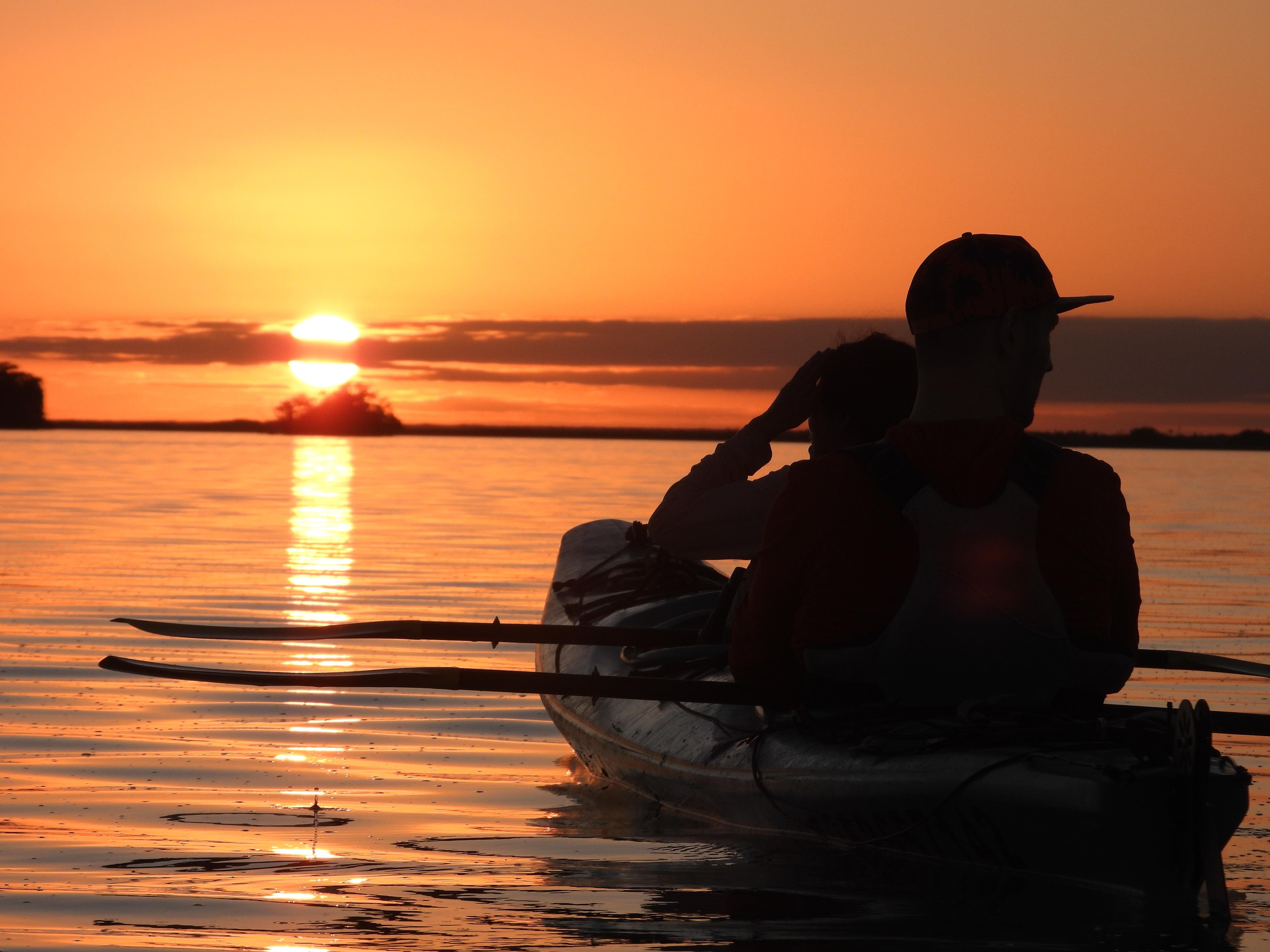
Paddle through UNESCO-protected mangroves at sunrise or sunset in a small-group kayaking experience
11 hours
Free Cancellation
Navigate lagoons, mangroves, and coral reefs in a UNESCO-protected Caribbean sanctuary
3 hours
Free Cancellation
Skip-the-line archaeological tour plus guided snorkeling with sea turtles in the Mesoamerican Reef
1 hour 30 minutes
Free Cancellation
Personalized exploration of Tulum's ancient ruins with a certified multilingual guide overlooking the Caribbean Sea
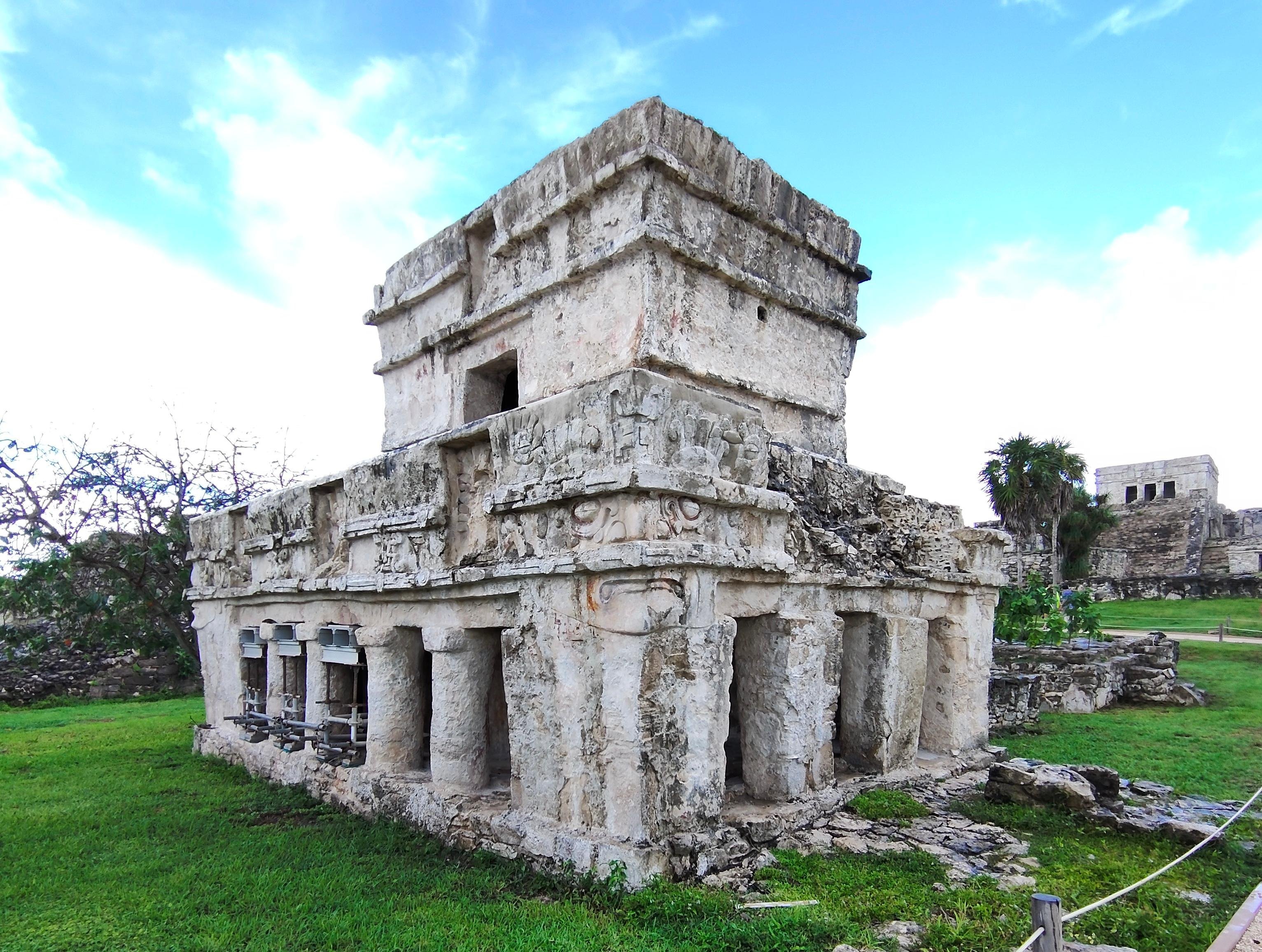
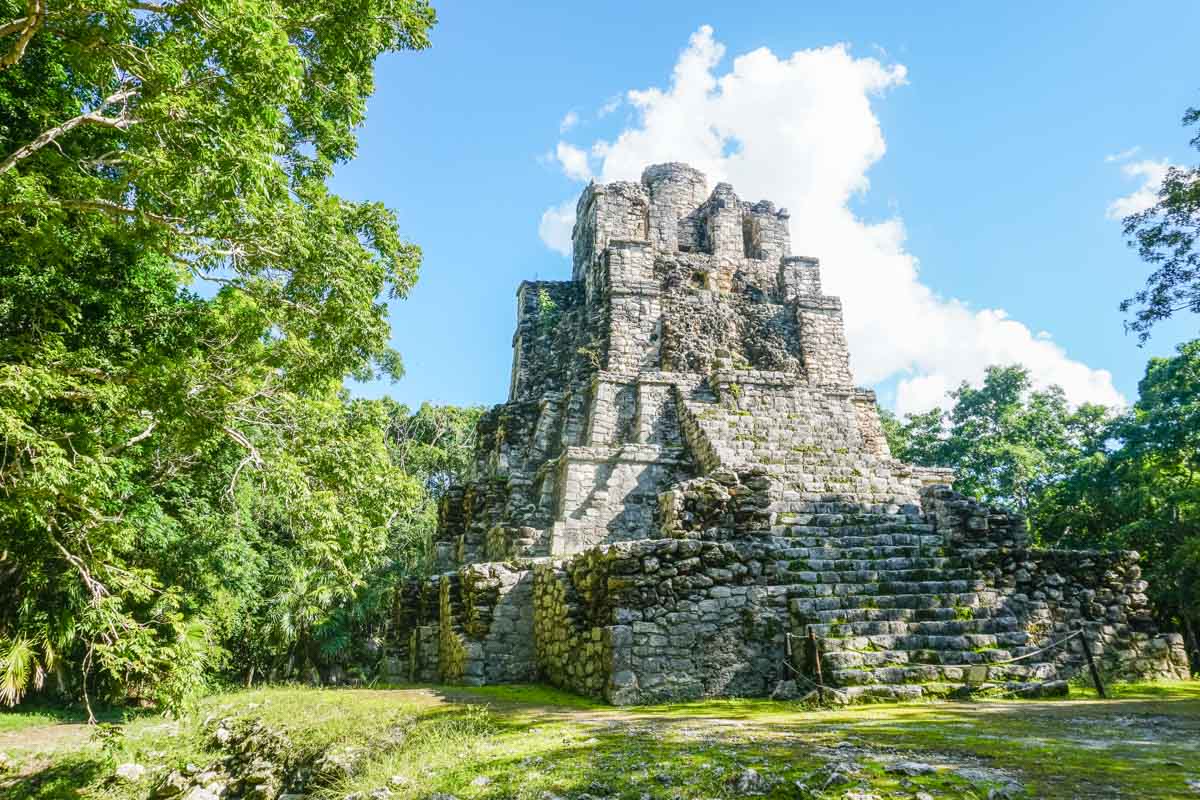
Ancient Maya ruins located at the northern entrance, once a vital trading hub.
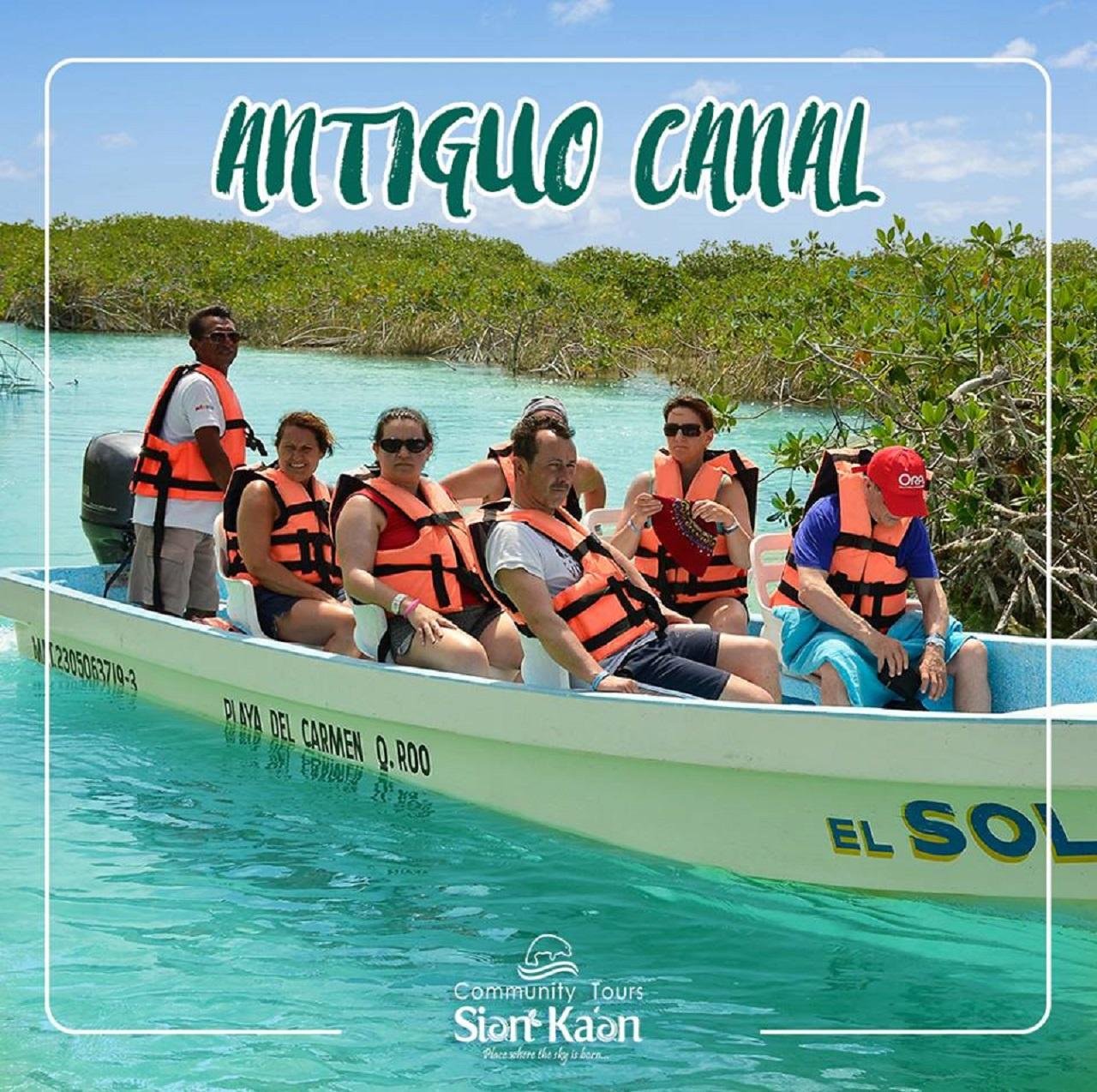
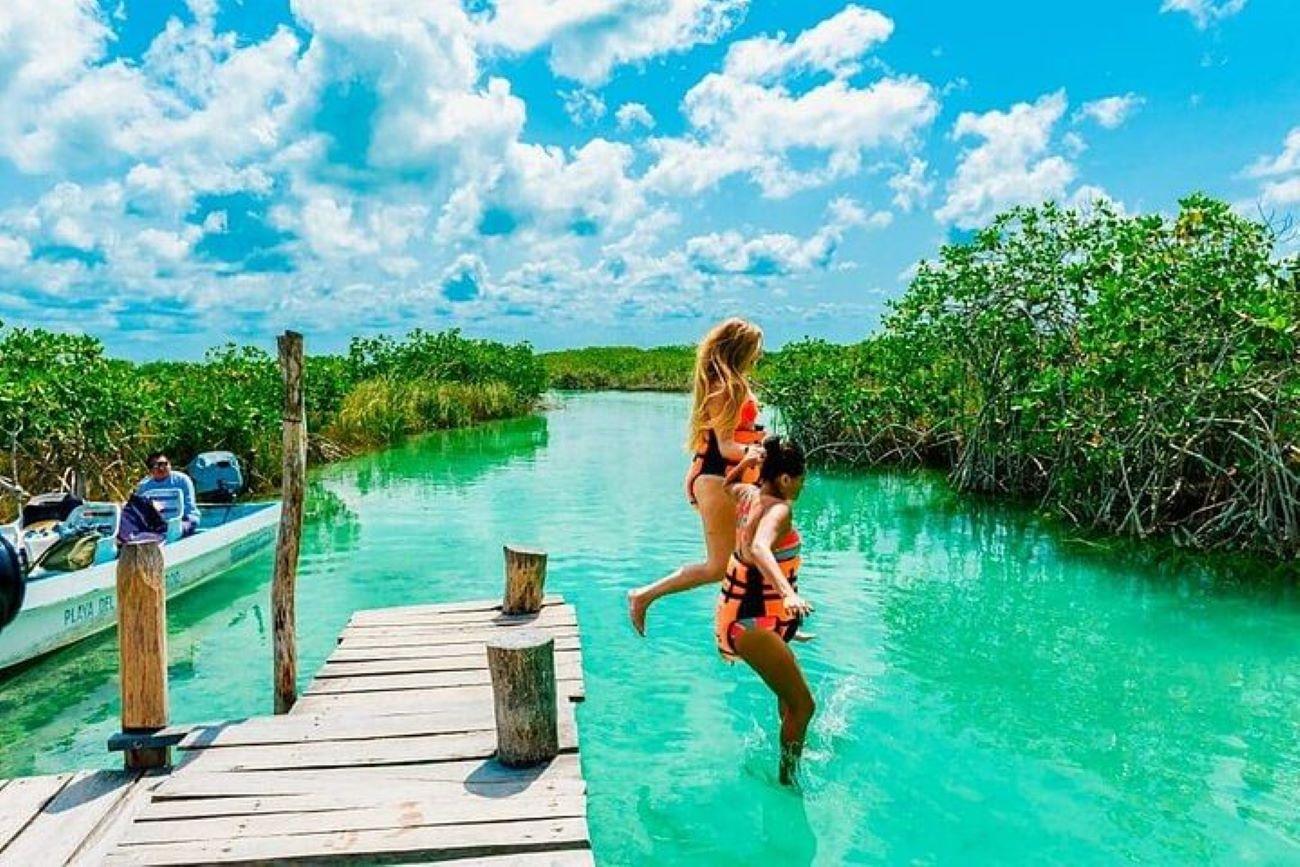
A gentle drift through crystal-clear, hand-dug channels carved over 1,000 years ago.
A remote, traditional fishing community at the end of the reserve’s coastal road.
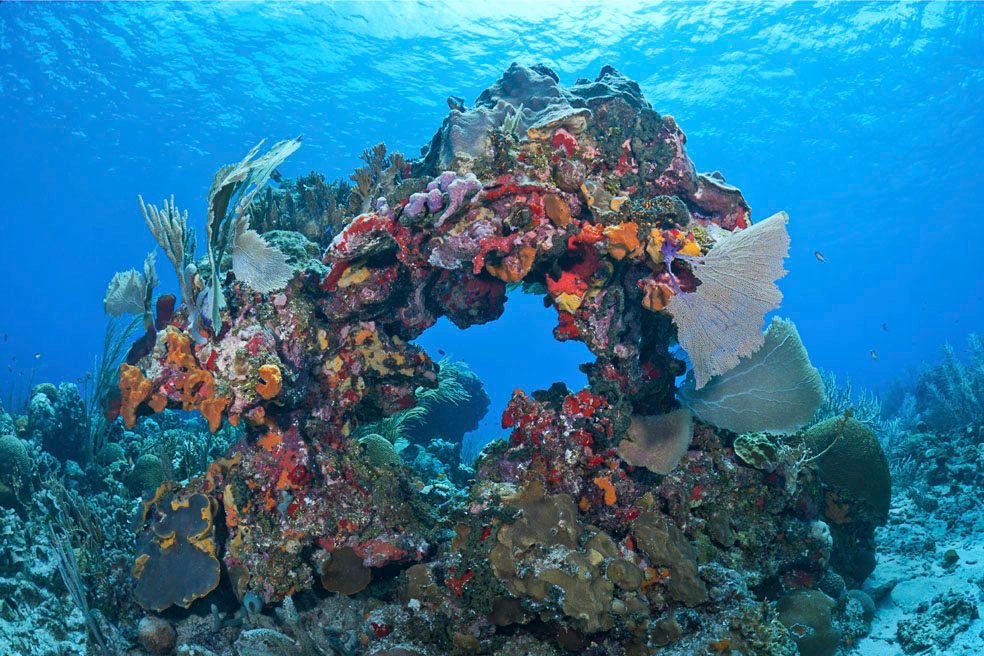
The second-largest reef system in the world, visible off the coast of Punta Allen.
A serene freshwater environment essential for local wildlife and bird species.
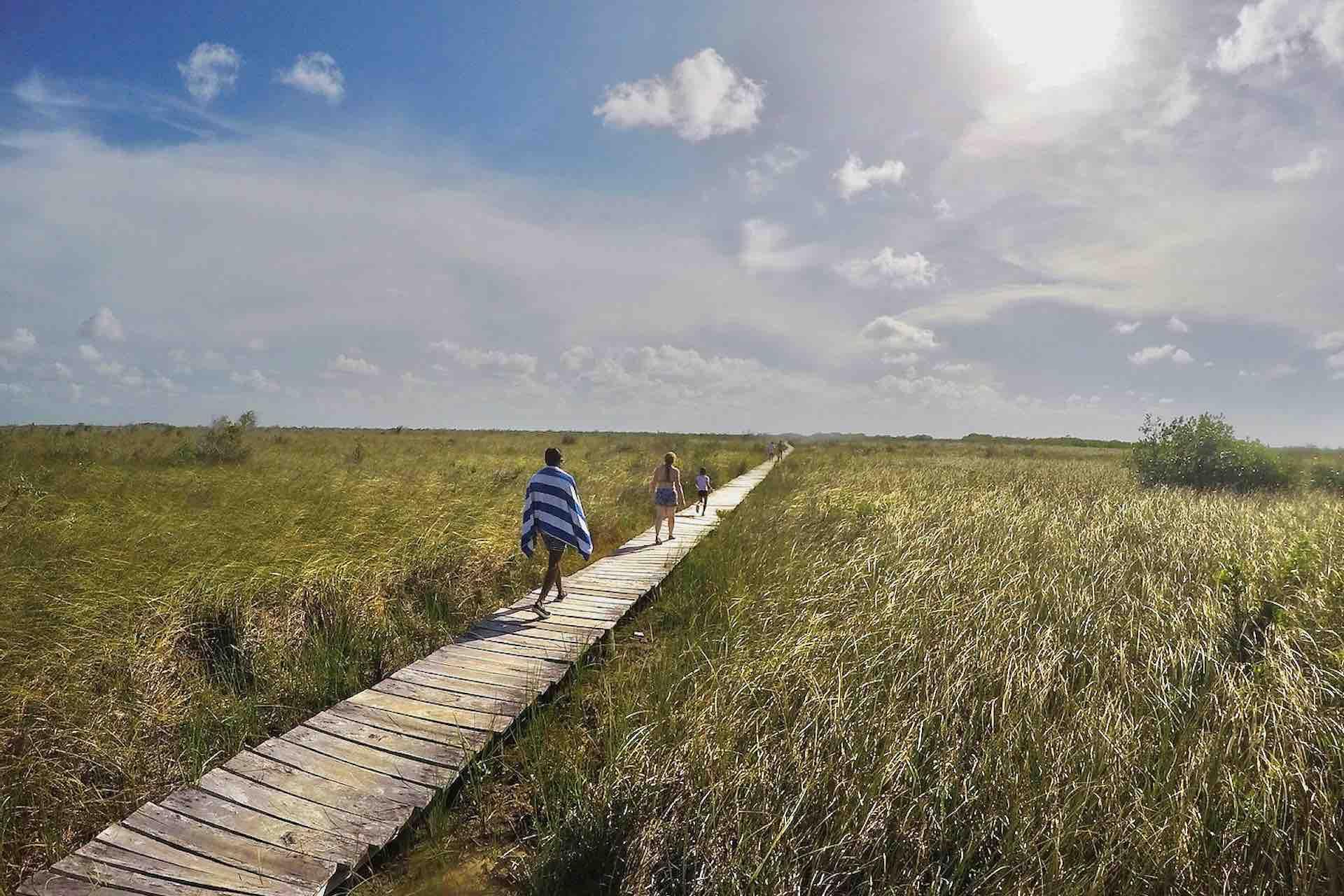
You leave Tulum shortly after sunrise, driving south along the coastal highway until pavement gives way to packed sand and the gate attendant collects your 225-peso conservation fee in cash.
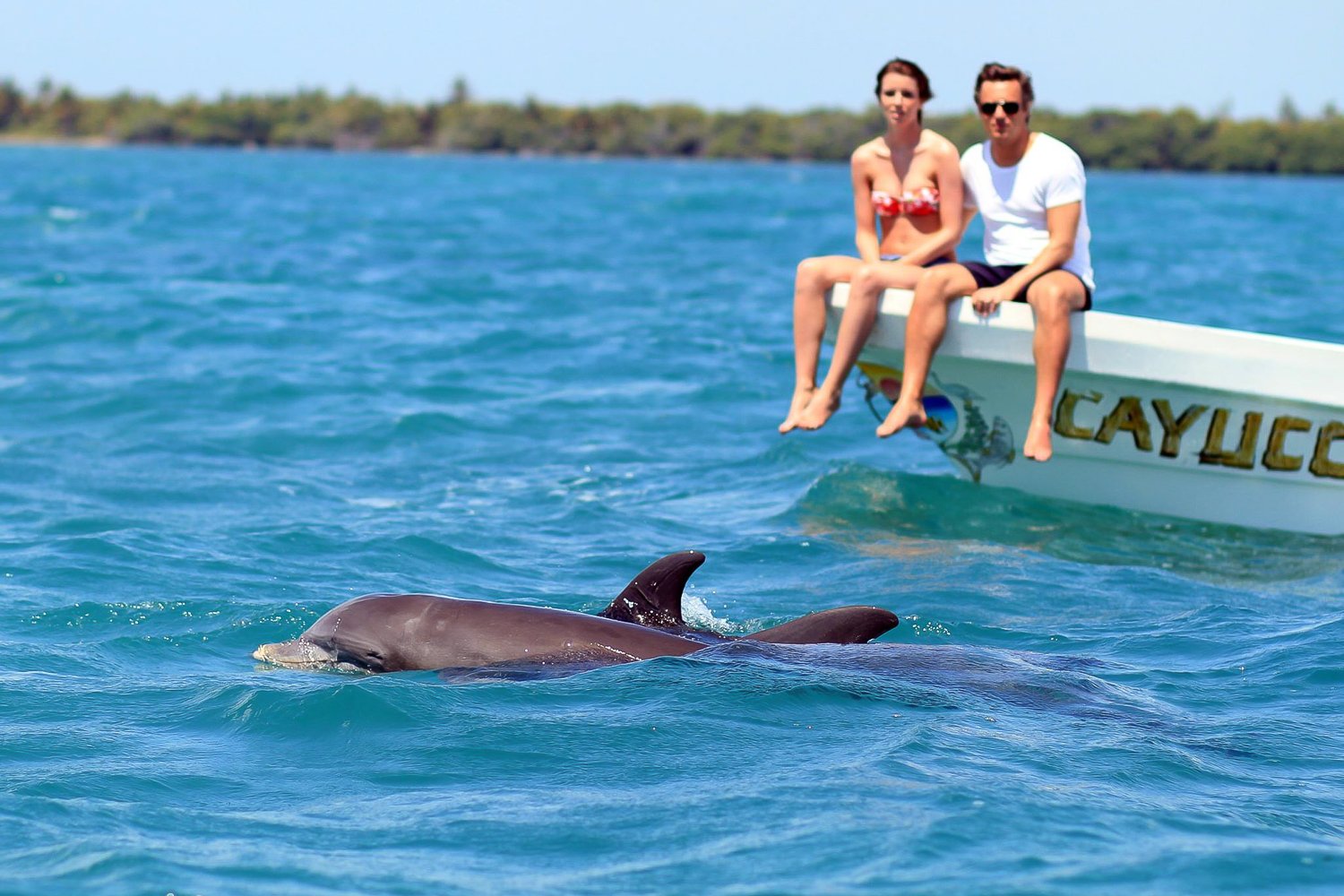
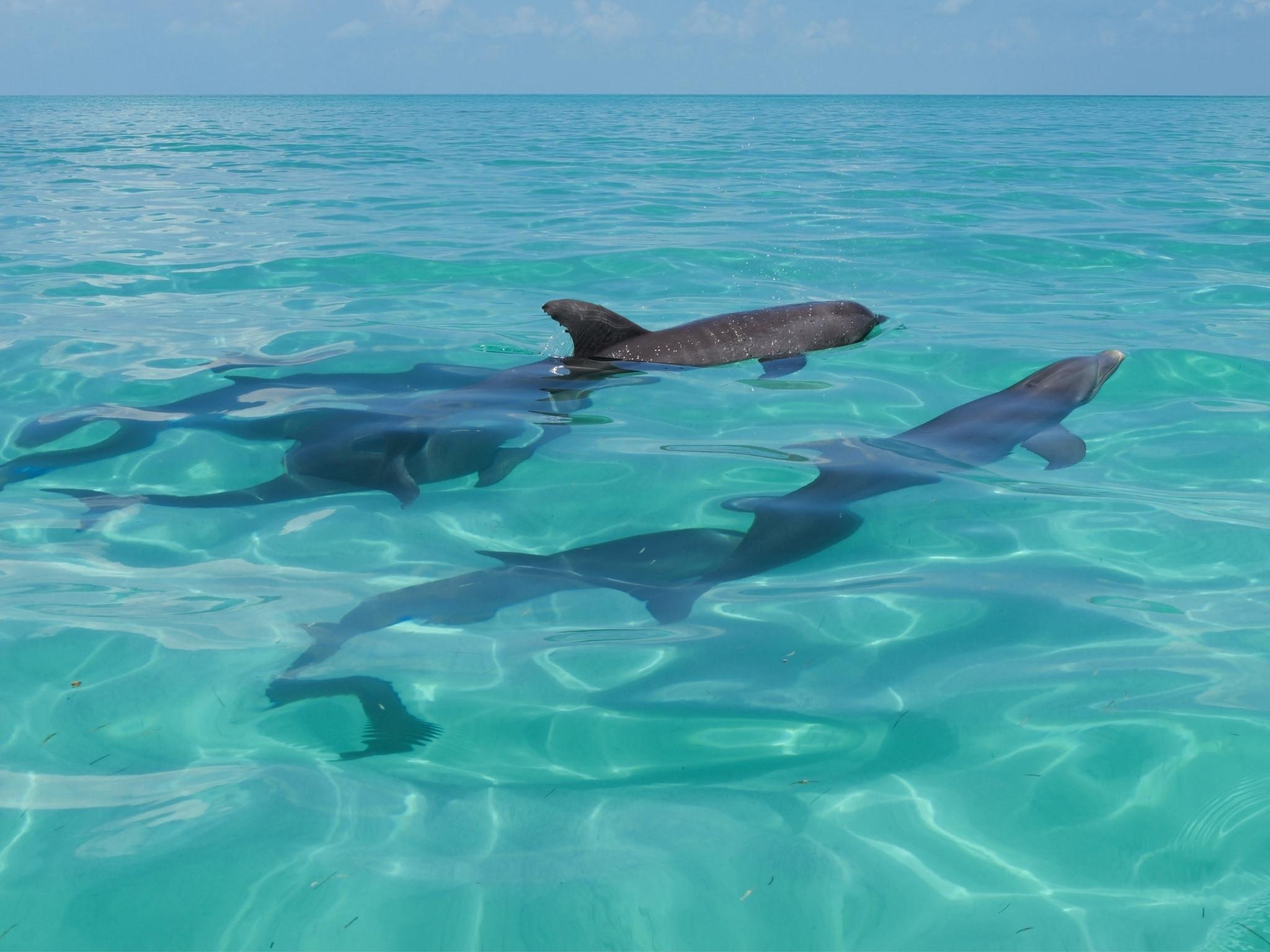
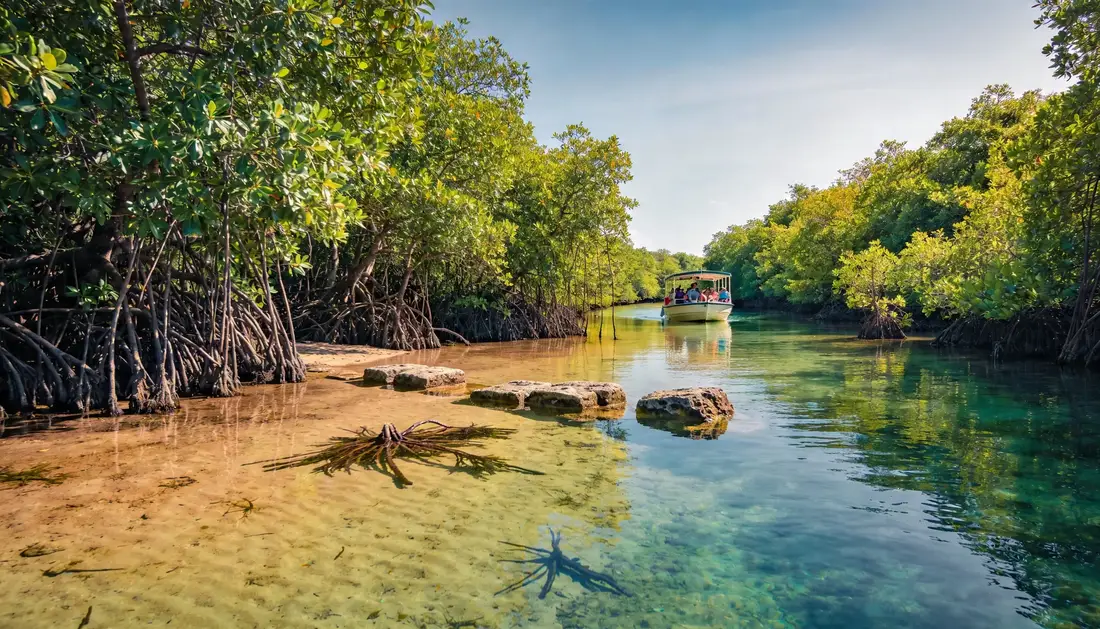
Your guide steers a narrow panga through the first channel, cutting the engine once you enter the lagoon so the only sound is water against the hull and the occasional slap of a tarpon tail breaking the surface. Mangrove roots arch overhead, filtering the light into shifting green bands across the water. Dolphins surface thirty meters ahead, three of them moving in formation toward deeper water, their dorsal fins dark against the turquoise.
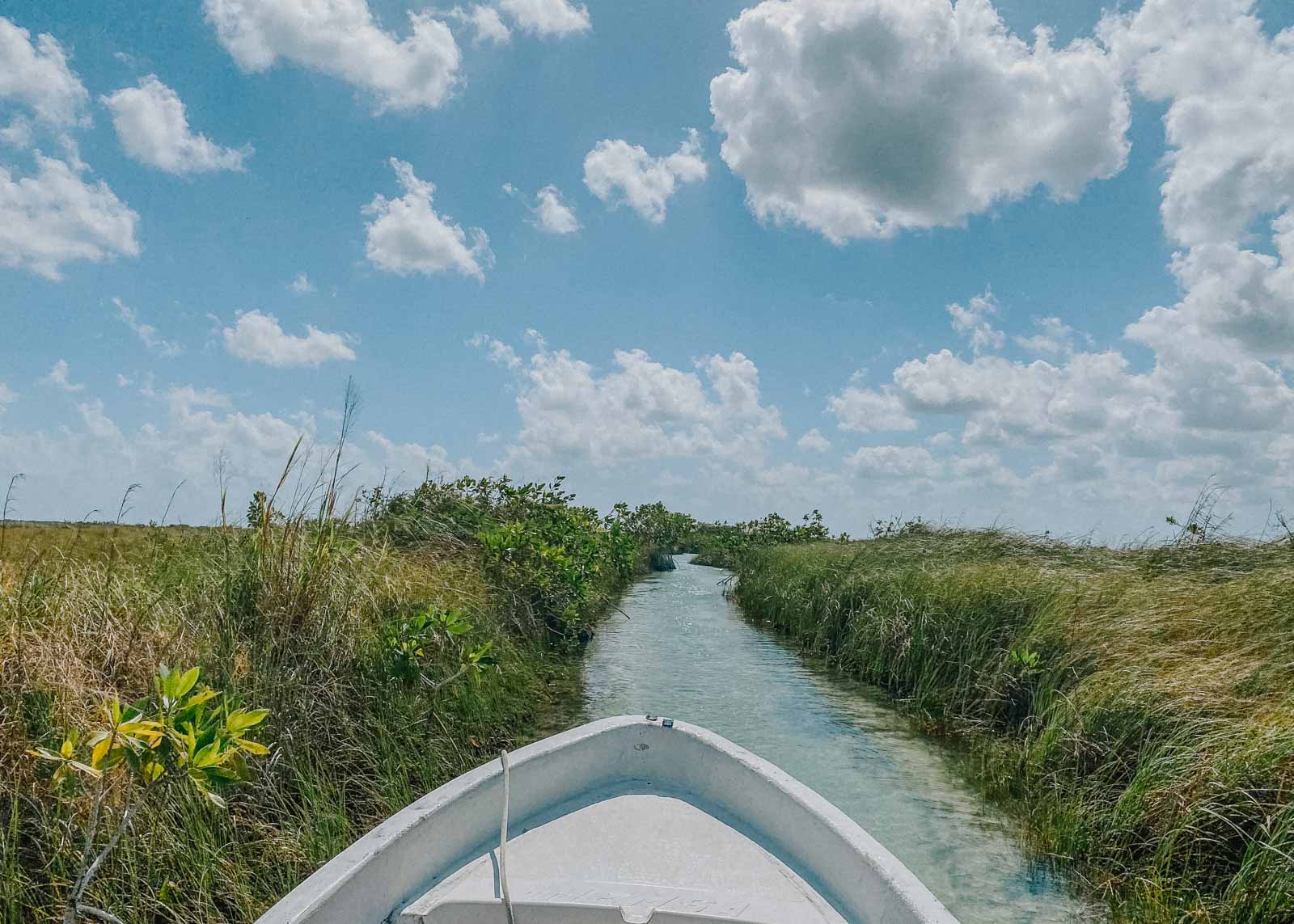
You drift through a stone-edged canal no wider than the boat, walls built by Maya engineers a millennium ago to shortcut the lagoon's natural bends and speed cargo canoes toward the coast. The guide points out a spoonbill perched in the canopy, its pink plumage stark against the green, then swings the boat toward a cenote spring where the water turns crystalline and cold. You anchor for lunch on a palapa platform, grilled fish and rice prepared by the fishing cooperative that holds the concession here, then paddle a kayak into the shallows where a juvenile crocodile basks on a mud bank. By mid-afternoon the wind picks up, scattering light across the bay in silver fractures, and you return through the same canals, the water now bronze in the slanting sun.
All the details about your upcoming adventure in one place
The Sian Ka'an Biosphere Reserve protects 1.3 million acres of coastal wetland, mangrove forest, and coral reef along the Caribbean edge of the Yucatán Peninsula, designated a UNESCO World Heritage Site in 1987 for its exceptional biodiversity and the archaeological record of ancient Maya settlement.
The name derives from Yucatec Maya sian ka'an, meaning "origin of the sky," a reference to the cosmological significance the lowland Maya attributed to these lagoons and cenote-fed channels that connected inland settlements to the sea. More than twenty-three recorded archaeological sites lie within the reserve boundaries, most of them small coastal trading posts and ceremonial platforms dating to the Late Postclassic period, AD 1200–1500, when maritime commerce in salt, honey, and jade moved through the sheltered bays and hand-cut canals that remain navigable today.
A Sian Ka'an tour from Tulum departs the coastal zone south of the hotel strip, entering the reserve through the Boca Paila gate where the federal conservation fee of 225 MXN per person is collected in cash. The majority of expeditions follow the lagoon system by motorboat, tracing the ancient canals—narrow, stone-edged channels engineered by Maya engineers to link Muyil, Chunyaxché, and other inland centers to the Ascension Bay coast. Dolphin sightings peak in early morning hours when bottlenose pods feed along the mangrove margins; four species of sea turtle nest on the barrier beaches between May and October. The reserve shelters more than three hundred bird species, including roseate spoonbills, jabiru storks, and the rare Yucatán woodpecker, making guided birdwatching hikes especially productive during the November–March migratory window.
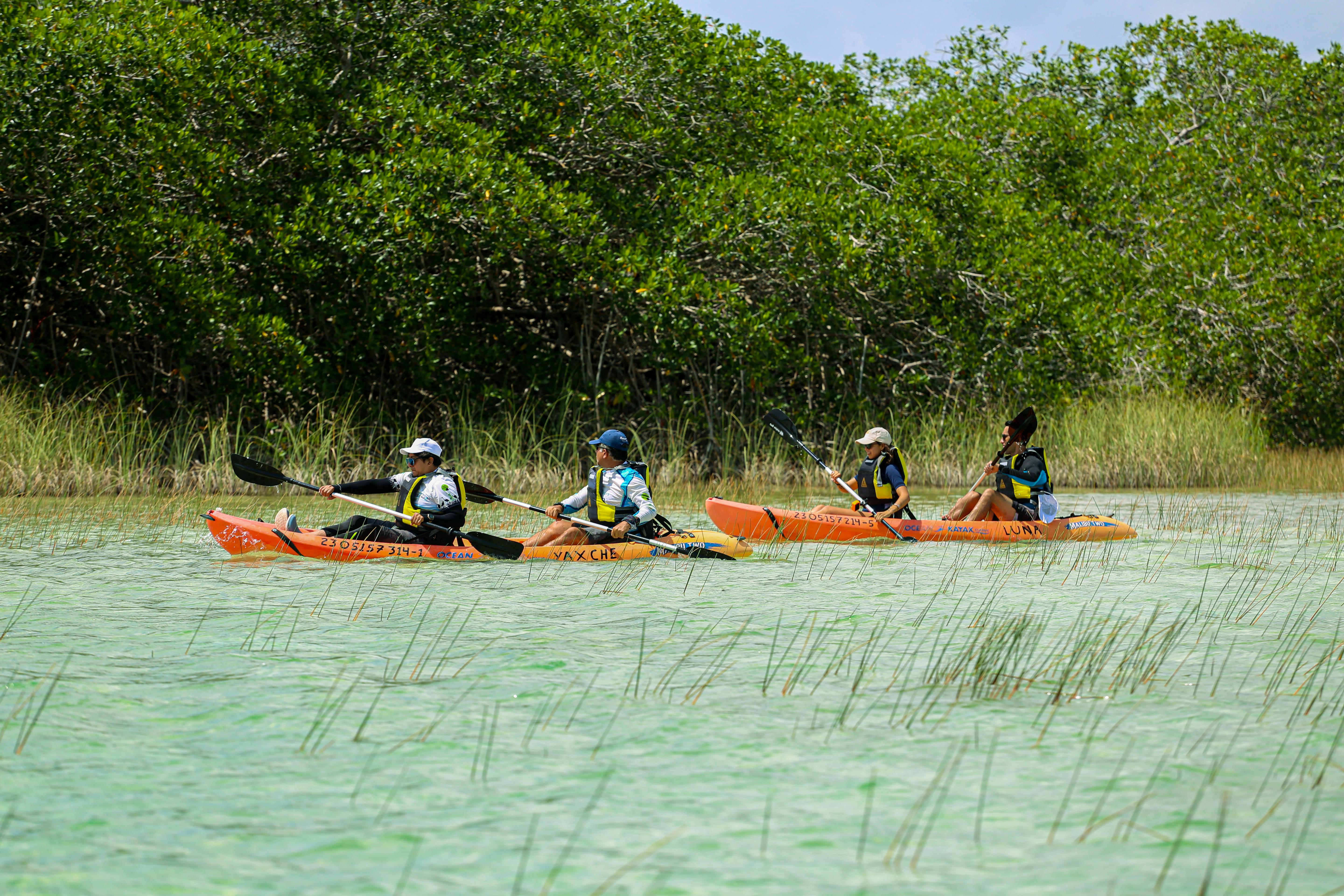
Kayak expeditions offer a slower passage through the same network, allowing paddlers to navigate shallow braids inaccessible to motorized craft and approach herons, crocodiles, and manatees without engine noise. The water is brackish where freshwater springs meet tidal inflow, maintaining salinity gradients that support both reef fish and riverine species within the same lagoon. The reserve's terrestrial zones include semi-deciduous tropical forest, palmetto savanna, and petén islands—elevated limestone domes dense with sapodilla, mahogany, and ramon trees—that rise above seasonal floodplains. Conservation management since the reserve's founding has limited construction to a handful of eco-lodges and fishing cooperatives, preserving the landscape in a condition closer to its pre-Hispanic state than nearly any other stretch of the Riviera Maya coast. Tours typically include lunch prepared by local cooperatives, served on palapa platforms overlooking the lagoon. The reserve opens daily from 07:00 to 18:00, with early morning arrivals recommended for calmer water, cooler temperatures, and optimal wildlife activity before midday heat drives most fauna into shade.

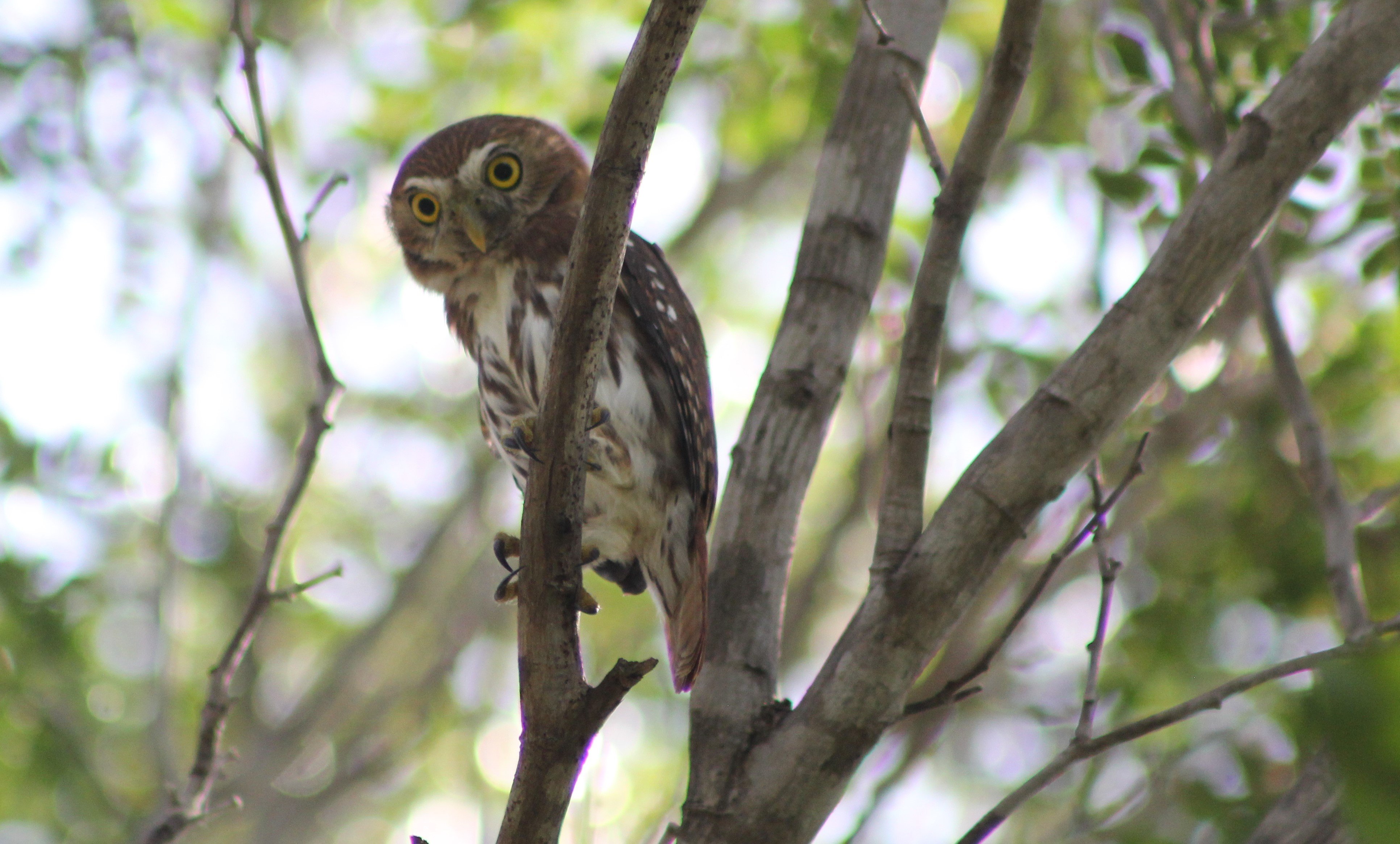
The reserve shelters more than three hundred bird species, including roseate spoonbills, jabiru storks, and the rare Yucatán woodpecker.
Wear comfortable, breathable clothing suitable for tropical heat. Bringing a long-sleeved shirt is recommended for sun protection and insect prevention.
Keep bags compact and waterproof, as you will be boarding small boats. All personal items should be carried out, as there are no trash facilities inside the reserve.
Use a telephoto lens to respect wildlife distance. Drones are strictly prohibited to avoid disturbing nesting birds.
The Muyil canal float is generally suitable for families with children who can follow safety instructions. Ensure little ones are comfortable wearing mandatory life jackets.
Access is rugged and requires walking on uneven jungle trails or sand. Consult your sian ka an tour from tulum operator regarding physical requirements for boat boarding.
Carry adequate water and light snacks, as facilities are minimal. Most guided sian ka an tour from tulum packages include bottled water and basic meals.
Operating Hours
07:00–18:00
Address
Carr. Tulum-Boca Paila, Sian Ka'an, 77780 Tulum, Q.R., Mexico
Accessibility
Varies by zone; Muyil is more accessible than Punta Allen
Best Arrival
07:00–10:00
Entrance
225 MXN (cash only, per person)
Tours often require 24-hour notice for refunds. The 225 MXN federal conservation fee is a non-refundable contribution to the biosphere.
Recommended time
6-8 hours
A typical sian ka an tour from tulum requires a full day to navigate the rugged access road and explore the intricate wetland channels. Visitors who secure sian ka an tour from tulum tickets early benefit from the best arrival window of 07:00–10:00, which ensures calmer lagoons and peak wildlife activity before the midday heat. Opting for professional sian ka an tour from tulum tours helps manage the duration efficiently, as local guides navigate the vast UNESCO heritage site while avoiding the peak crowd congestion that builds up by early afternoon.
Crowd levels through the day
The wetlands and lagoons that define modern sian ka an tour from tulum routes served as arteries of Mayan commerce for over a millennium. Between 300 and 900 CE, the Classic Maya engineered canals through these coastal marshlands, linking inland settlements to Caribbean trade networks. Archaeological surveys in the 1980s identified stone platforms along the Muyil channel system, where canoes loaded with jade, obsidian, and salt once passed. The canal connecting Muyil ruins to the lagoon remains visible today, a engineered waterway predating European contact by seven centuries. Spanish conquest in the sixteenth century severed these trade routes. The peninsula's interior became a refuge for Mayan communities resisting colonial authority, and the wetlands—dense with mangrove and difficult to navigate—formed a natural barrier. By the nineteenth century, chicle tappers penetrated the forest seasonally, but permanent settlement remained sparse. The region's isolation preserved ecosystems that industrial agriculture had erased elsewhere along the coast. Modern conservation efforts began in 1986, when the Mexican government designated 1.3 million acres as the Sian Ka'an Biosphere Reserve, recognizing both ecological fragility and the persistence of Mayan resource management practices. UNESCO added World Heritage status in 1987. The reserve's zoning model permits controlled tourism in buffer areas while restricting access to core habitats for jaguar, manatee, and nesting sea turtles. Early tour operators worked with biologists to establish low-impact protocols—small group sizes, no-wake zones in nursery lagoons, mandatory guide certification. Today's sian ka an tour from tulum tickets grant access to a landscape shaped by both ancient engineering and recent conservation policy. The same channels that carried Mayan trade canoes now host birdwatchers and snorkelers, while Federal protection fees fund patrol programs against poaching and illegal development. The reserve remains Quintana Roo's largest protected area, its survival dependent on balancing visitation revenue with habitat limits established four decades ago.
Classic Maya construct canal systems linking inland cities to Caribbean trade routes through coastal wetlands.
Spanish conquest disrupts indigenous trade networks; wetlands become refuge zones for communities resisting colonial authority.
Mexican government establishes Sian Ka'an Biosphere Reserve, protecting 1.3 million acres of wetland and forest.
UNESCO grants World Heritage status, recognizing ecological significance and cultural landscape values.
First regulated tour operators develop low-impact protocols with biologists, limiting group sizes and establishing no-wake zones.
Guide certification programs formalize training in Mayan history, species identification, and habitat protection standards.
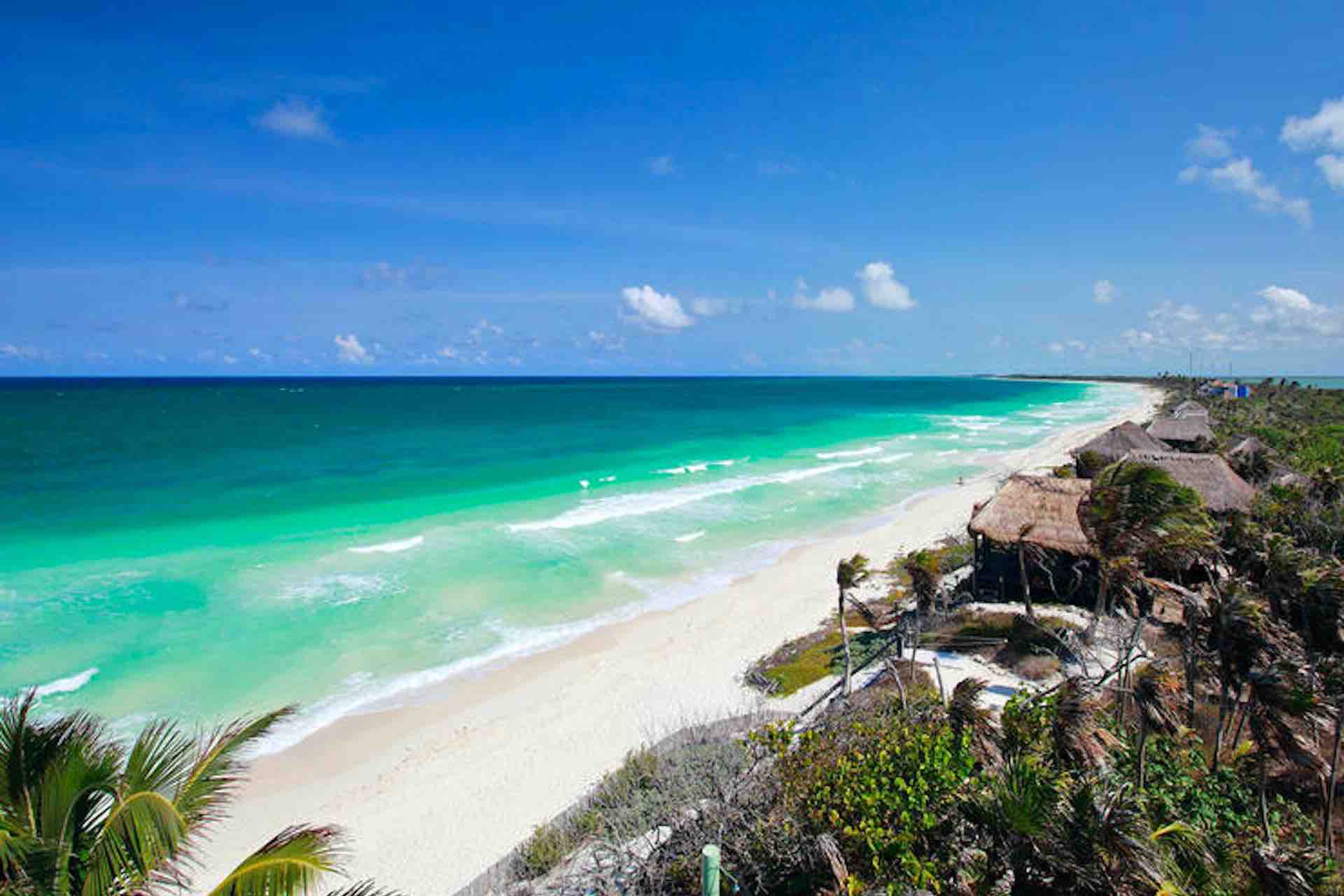
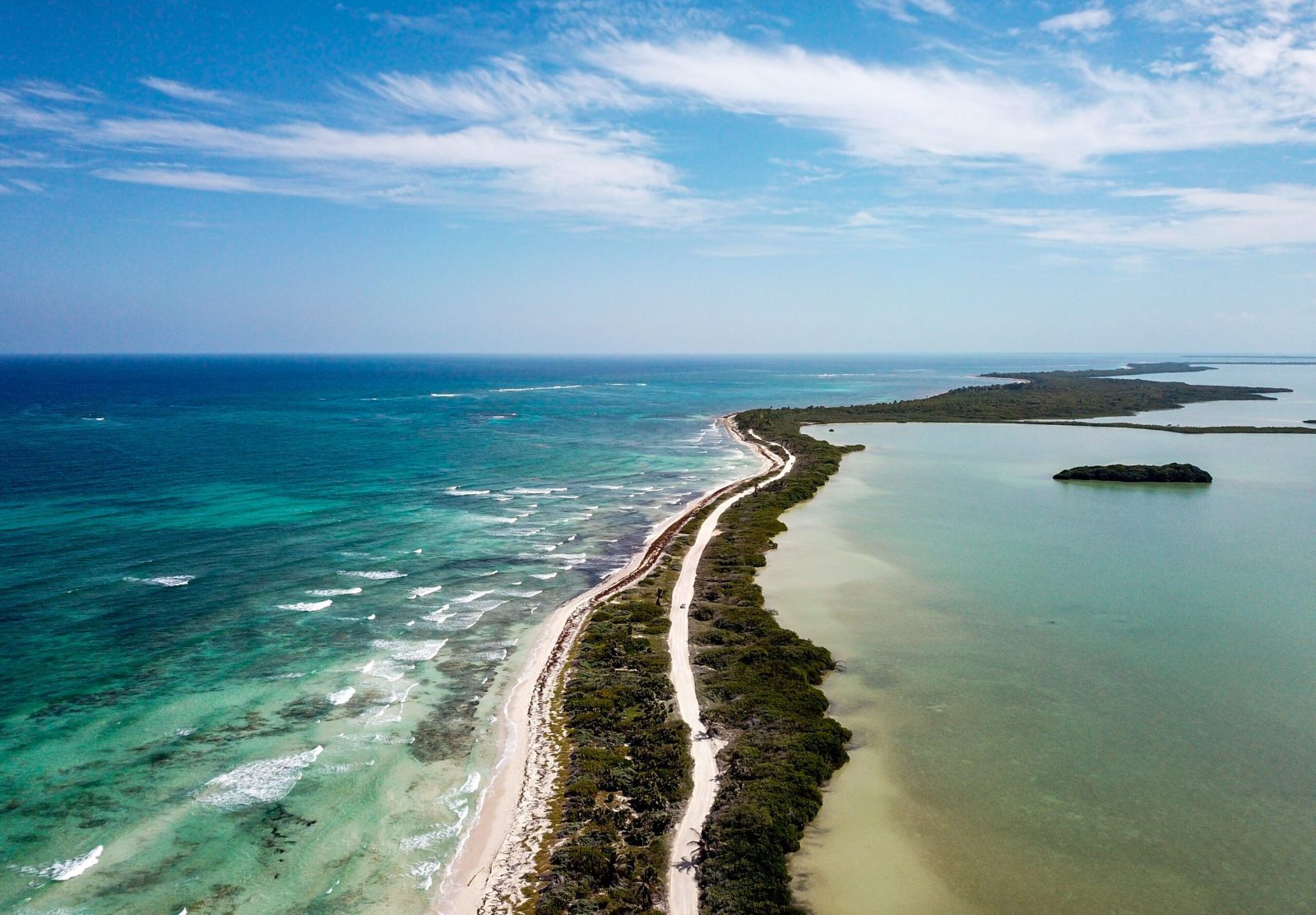
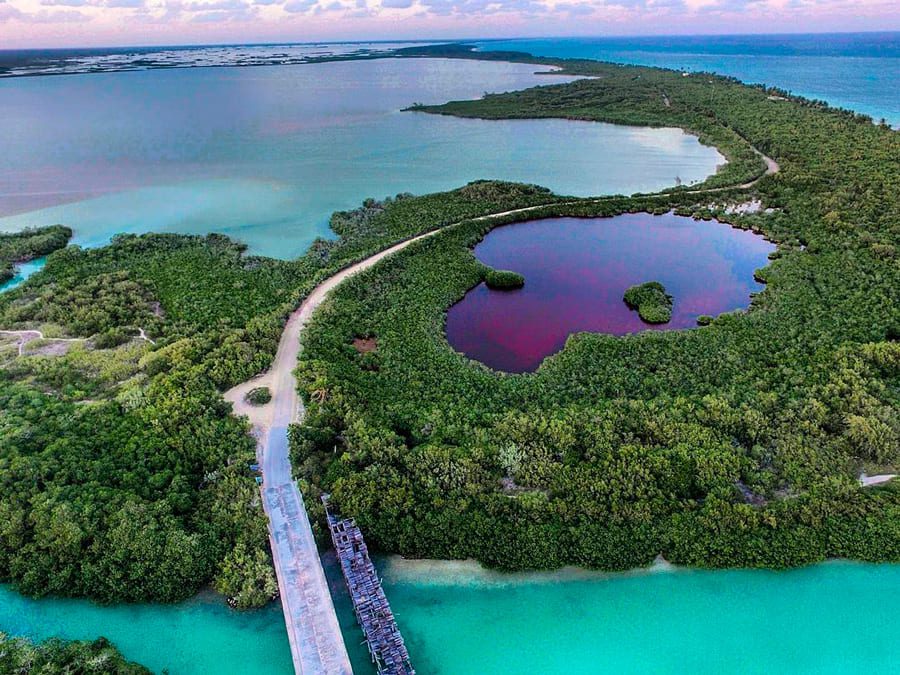
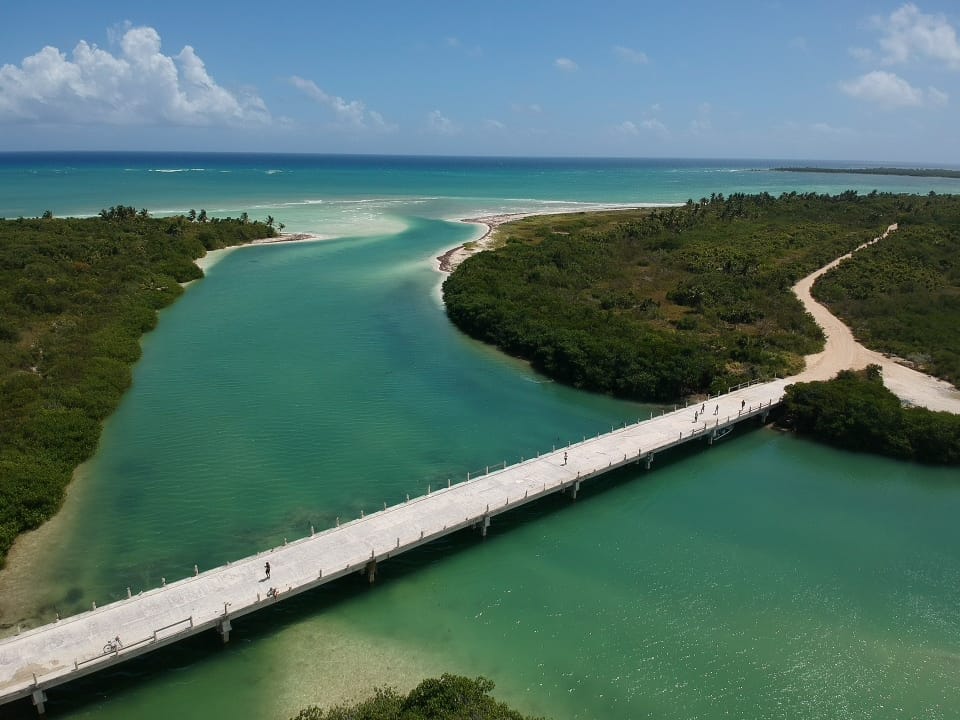
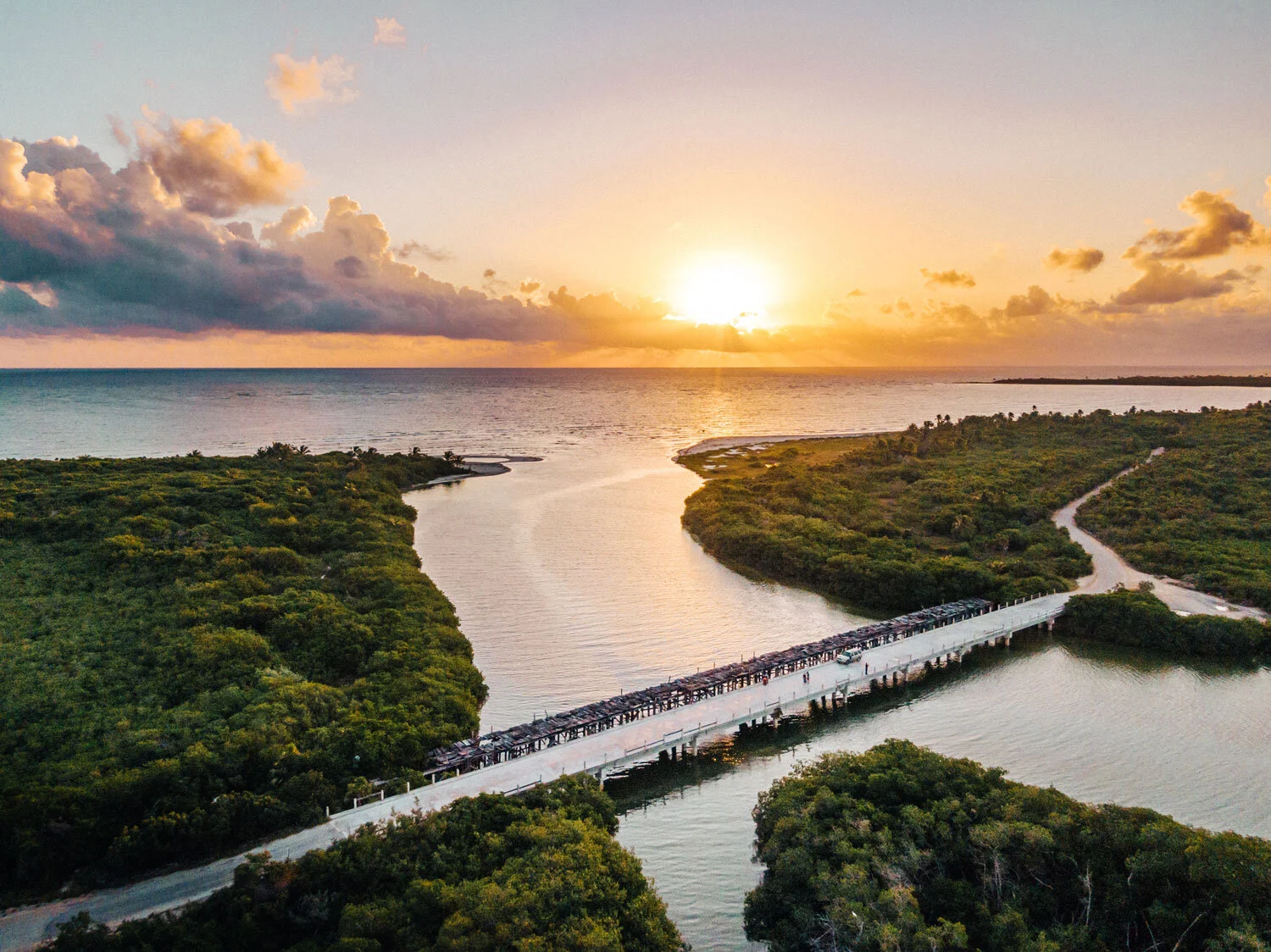
Stand on the edge of the bridge to capture the convergence of the Caribbean Sea and the freshwater lagoon system. This vantage point provides a clear perspective of the narrow strip of land that defines the coastline as you embark on your sian ka an tour from tulum.
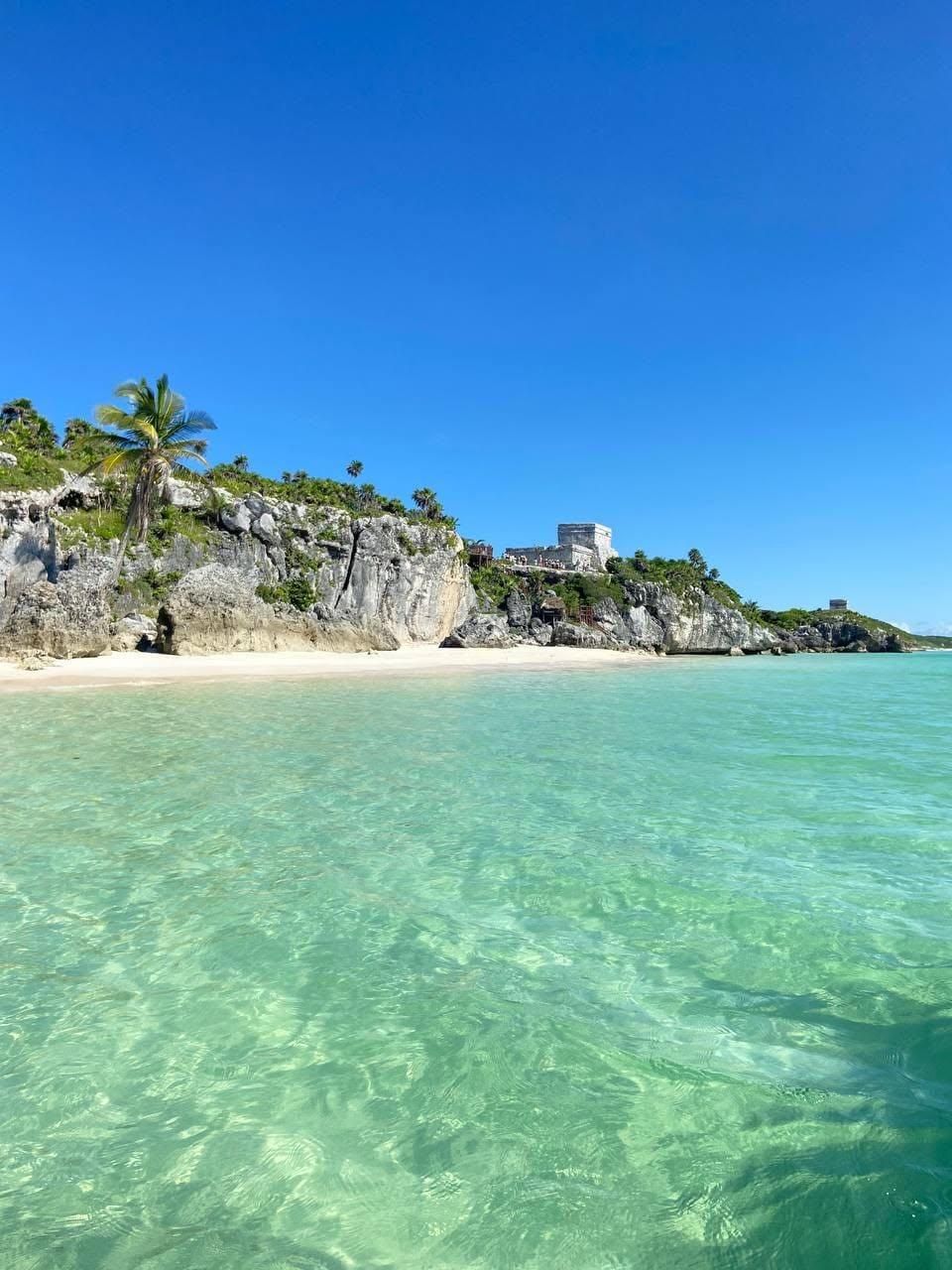
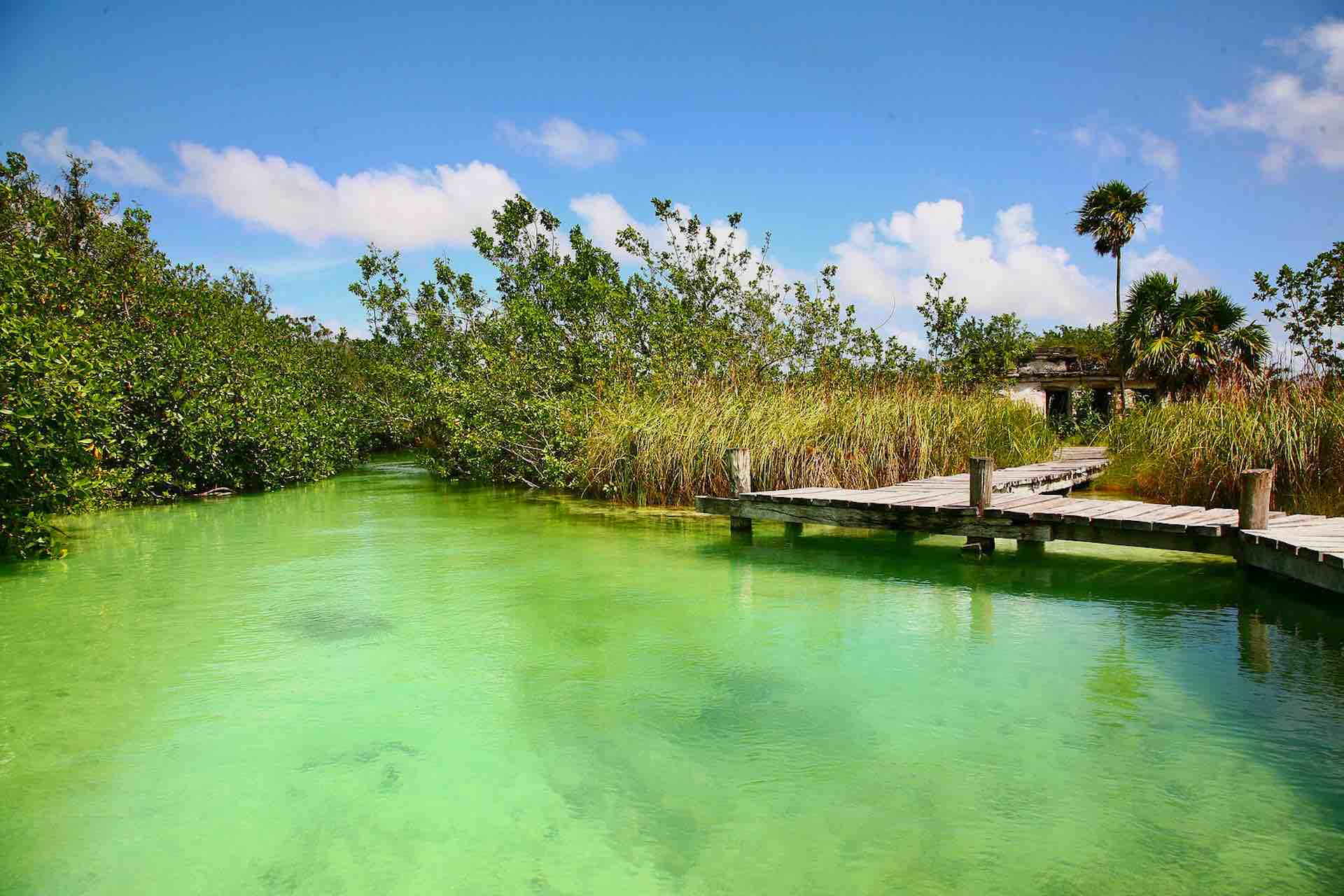
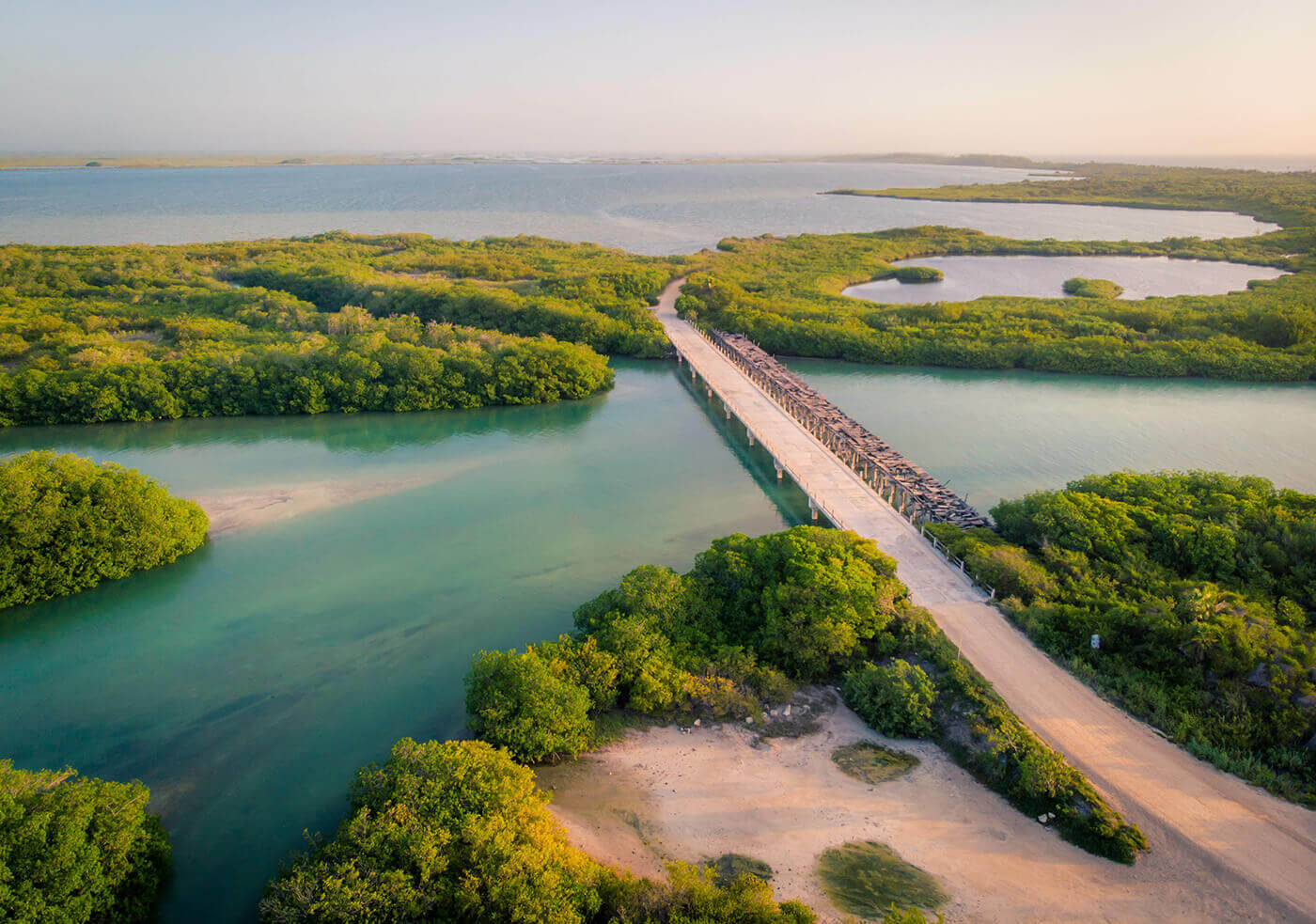
Position your camera at the edge of the wooden dock where the clear, turquoise water meets the dense mangrove forest. This location is a highlight for those utilizing sian ka an tour from tulum tickets to explore the Mayan waterway.
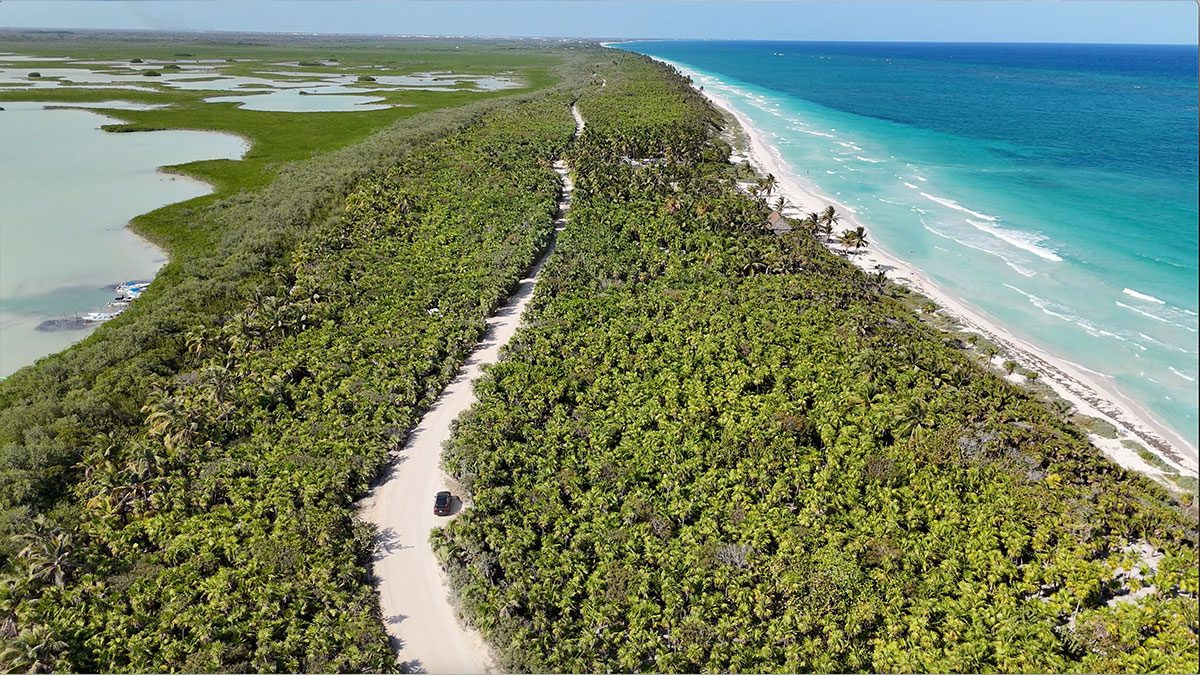
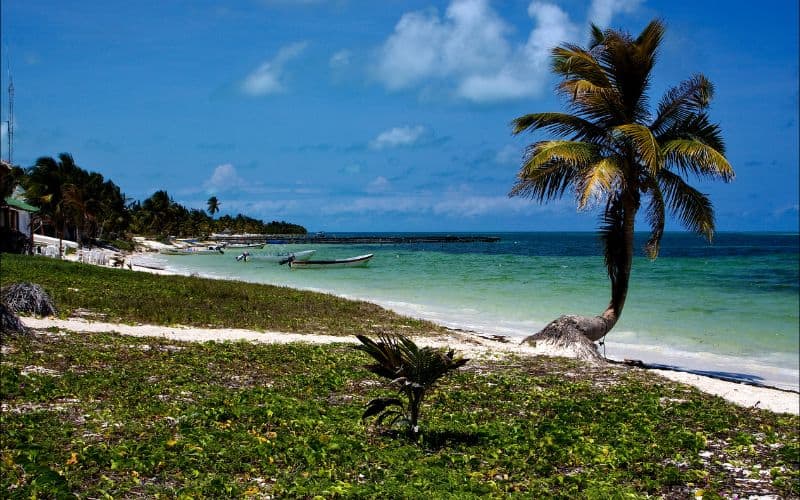
Capture the expansive shoreline where the jungle vegetation frames the white sand beaches. Walk toward the northern end of the village to find unobstructed vistas of the vast protected reserve for your sian ka an tour from tulum tours.
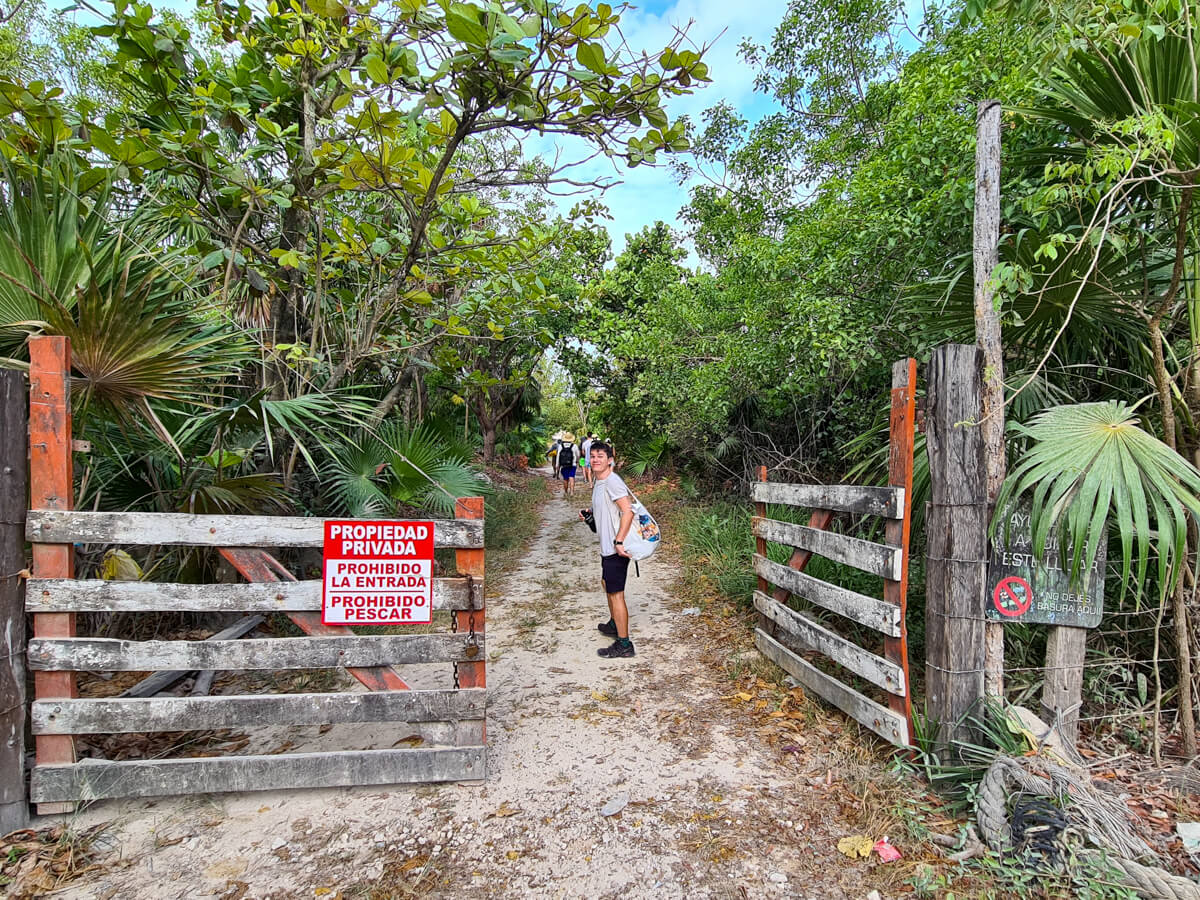
Frame the rustic wooden sign and the primary access road leading into the lush canopy. It serves as a classic orientation shot for travelers starting a sian ka an tour from tulum tour.
Planning a Sian Ka'an tour from Tulum with children requires balancing active nature exploration with careful sun management. This UNESCO World Heritage site offers unique wildlife spotting opportunities that appeal to curious young minds when paced correctly.
The rugged terrain and boat-based activities make strollers impractical for this excursion, so parents should bring a reliable child carrier instead.
School-aged children typically gain the most from these wildlife-focused excursions, though younger kids can enjoy the calm lagoons when supervised by an adult.
There are limited baby-change facilities within the reserve, so plan your diapering logistics before entering the biosphere.
To maximize your experience, we recommend arriving during the best arrival window of 07:00–10:00 to avoid mid-day heat.
Water-based activities require well-fitted life jackets for all youth, which are standard on any professional sian ka an tour from tulum tour.
Ensure your group is prepared for the remote environment by keeping your 225 MXN cash for sian ka an tour from tulum tickets ready at the entrance gate.
Travelers looking for guided support often book sian ka an tour from tulum tours to navigate the vast mangrove channels and open waters safely.
Dining options are extremely limited within the reserve, so visitors planning a sian ka an tour from tulum should prioritize eating in the Tulum hotel zone before entry. Bringing your own refreshments is recommended as the remote ecosystem remains protected from commercial development.
Located at the edge of the hotel zone, this spot offers fresh pasta and light salads perfect for fueling up. It serves as a popular starting point for those heading out on a sian ka an tour from tulum tours package.
Known for its open-fire cooking and rotating daily menu, this venue provides a high-quality meal for travelers looking to conclude their sian ka an tour from tulum tour. Expect seasonal coastal ingredients and local catch.
A convenient stop located near the entrance routes for those securing their sian ka an tour from tulum tickets ahead of time. The menu features traditional Mexican breakfast and coffee to start your day.
Everything you need to know for your journey
The reserve is open daily from 07:00–18:00.
No, the 225 MXN federal conservation fee is typically separate and must be paid in cash at the entrance.
While technically possible, guided tours are highly recommended for navigating the reserve and maximizing wildlife spotting.
Arriving between 07:00–10:00 offers the best light and calmest water for your excursion.
Yes, most operators allow children, though specific age limits may apply for boat tours; check your booking details.
Bring cash in pesos, biodegradable sunscreen, a hat, sunglasses, and a waterproof bag for your valuables.
Expect limited to no cell service in many parts of the remote biosphere, particularly near Punta Allen.
You may spot dolphins, sea turtles, manatees, crocodiles, and various exotic birds depending on the season.
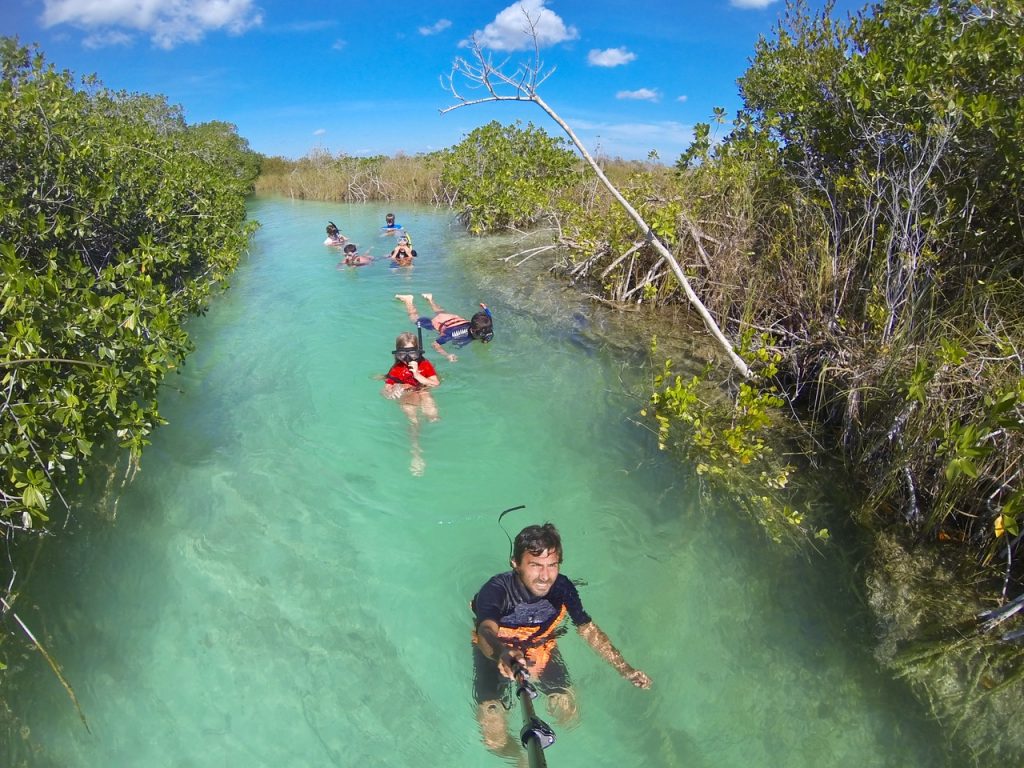
Yes, in designated areas like the Mayan canals where floating is a popular activity.
Most visitors dedicate at least half a day to fully appreciate the reserve’s natural beauty.
Join thousands of happy travelers who have discovered this incredible experience
Book Your Experience Now